Zohran Mamdani held up bananas at a Brooklyn press conference and promised New Yorkers 30% cheaper groceries.
The immigrant business owners who would be destroyed by that promise asked him to sit down and talk.
He didn't return their calls for three months – and now the Democratic Socialist mayor of New York City is being sued by the very people he claims to champion.
The Lawsuit the Mayor Didn't See Coming
The Multicultural Business Coalition filed two lawsuits Monday against Mamdani's administration over his plan to spend $70 million in taxpayer money on five city-owned grocery stores.
The coalition represents 50 chambers of commerce – Asian, African, Caribbean, Hispanic, Middle Eastern, and Jewish-owned businesses across all five boroughs.
These are not Wall Street bankers.
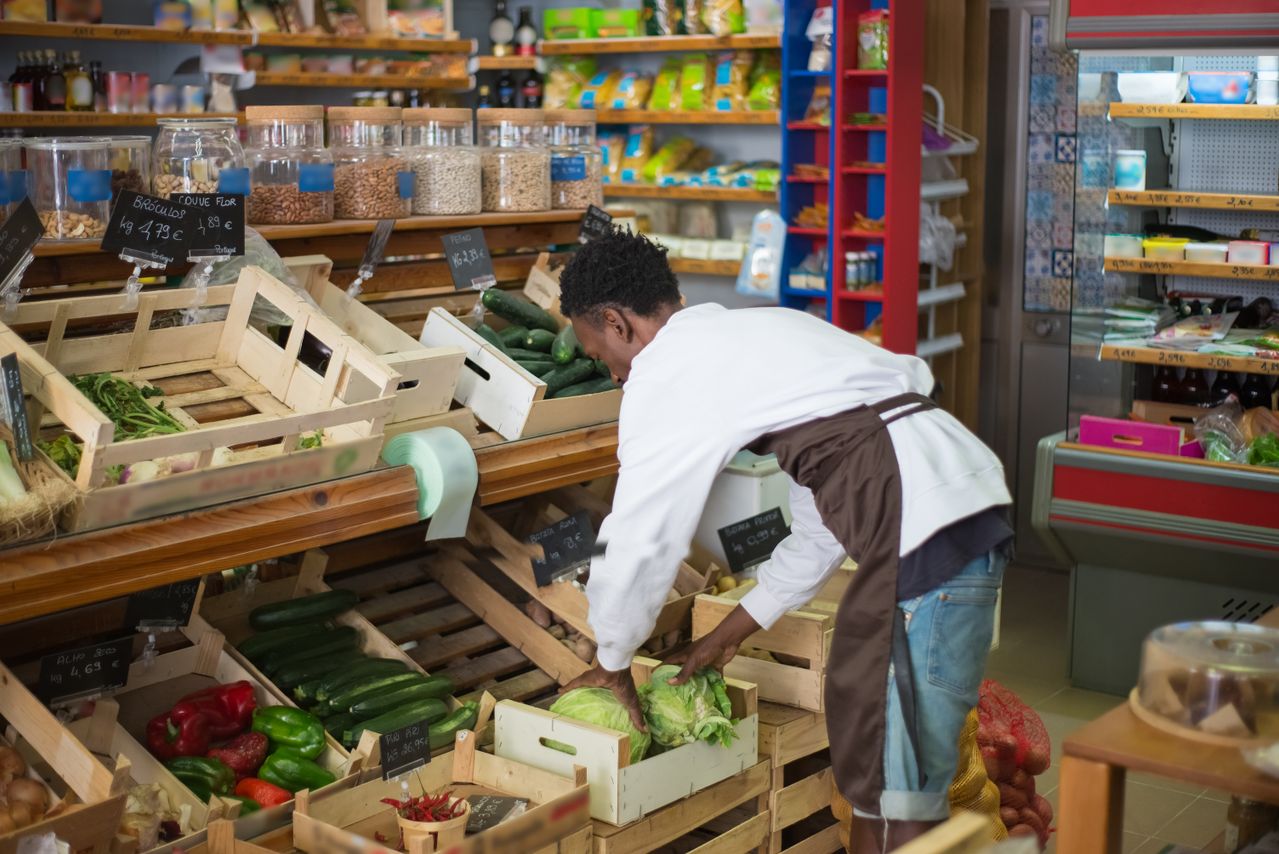
These are immigrant entrepreneurs who came to America with nothing, built bodegas and neighborhood markets from scratch, survived COVID, survived inflation, survived crime – and now they're being told they have to compete against the government.
The lawsuit argues Mamdani's plan violates New York civil rights laws and the Equal Protection Clause of the state Constitution.
Coalition President Kenneth Roldan was direct: "Make no mistake about this plan. It is a direct assault on minority business by a mayor who claims to be a champion of disenfranchised poor and working-class New Yorkers."
In a letter to City Hall, Roldan noted the coalition had not heard from the mayor's office since May.
"The mayor doesn't seem to want to sit down with us," coalition chairman Frank Garcia added. "He won't be able to bully these lawyers we are going to bring in."
This Experiment Has Already Run – and Everyone Knows How It Ends
The plan works like this: the city owns the land, covers rent and construction, and a private operator sells a core basket of produce, meat, seafood, cheese, milk, and bread at 30% below retail prices every month.
Hugo Chavez did something nearly identical in Venezuela in 2003 – promised cheap food for working families and launched a government grocery network called Mercal.
Here's what came next.
The price controls drove private suppliers out of business.
Then the shelves went empty.
Then the government started sending soldiers to occupy private supermarkets – accusing their owners of "hoarding" and "waging economic war on the people."
Then Venezuelans were put on government ID systems and limited to designated shopping days, standing in lines that stretched around city blocks while mothers left their children home alone because the wait took all day.
Daniel Di Martino, a Manhattan Institute fellow who grew up in Venezuela, described what those stores actually became: riddled with corruption, stocked with rotten food, and engineered to make voters dependent on socialist leaders.
The grocery store profit margin in America runs about 2%.
Mamdani's plan promises a 30% discount.
That other 28% comes from New York City taxpayers – the same taxpayers already staring at a $5.4 billion budget gap.
The Math That Doesn't Work
The first store alone will cost $30 million to build in the Bronx.
It sits within a 35-minute walk of nearly four dozen existing grocery stores.
There is no food desert in New York City – over 1,000 grocery stores already operate in a city of 8.5 million people, and most residents live within walking distance of fresh food.
When a city-run grocery store opened in Baldwin, Florida in 2019 – after the last private store left – it struggled to break even and shut down in 2024.
Erie, Kansas bought its only remaining store in 2020, operated it at a loss for years, and eventually leased it to a private company.
Those were towns with no other options.
New York City has 1,000 options – and Mamdani wants to open a subsidized competitor next door to all of them.
When a CNN host pressed Mamdani last year about Kansas City's government grocery store that closed due to crime and empty shelves, Mamdani said he'd "bring the best and brightest" to make it work.
The best and brightest who run the city's public housing, hospitals, and schools.
What This Is Really About
This is not a grocery plan.
https://twitter.com/FoxBusiness/status/2091922693704544410?s=20
This is a dependency plan.
When the government undercuts private stores with taxpayer subsidies until those stores close – and then it's the only place left to buy food – you don't have affordable groceries anymore.
You have Venezuela.
Fifty chambers of commerce representing immigrants from six different communities saw that clearly enough to raise $1 million and take the mayor to court.
The question now is whether a judge sees it the same way – before the first store opens and the damage starts.
Sources:
- Alex Nitzberg, "Big Apple targeted in lawsuit over Mamdani's government grocery store plans," Fox Business, August 24, 2026.
- "NYC immigrant grocers sue Zohran Mamdani administration over city-run stores," The Hill, August 24, 2026.
- "Business Group Votes to Sue NYC over Mamdani Stores," Breitbart, July 28, 2026.
- C. Jarrett Dieterle, "Zohran Mamdani's Government-Run Grocery Stores Won't Lower Prices," Reason, June 25, 2025.
- "What Mamdani can learn from Hugo Chavez's government-run grocery store debacle," Reason, July 31, 2026.
- "The Problem with City-Run Grocery Stores," No Labels, January 26, 2026.
- "Mamdani Reportedly Pushes $70 Million Grocery Store Proposal Amid $5.4 Billion Budget Gap," Reason/AOL, 2026.